Description
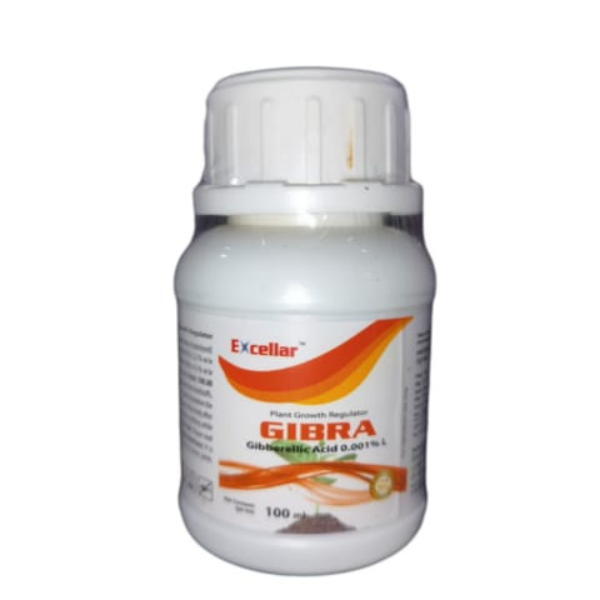
Gibberellic acid (GA3) at 0.001% concentration is a plant growth regulator that stimulates and regulates plant growth by enhancing various physiological processes. It promotes seed germination, stem elongation, and flowering, leading to increased crop yields and improved quality. It also helps reduce flower and fruit dropping and enhances nutrient and water uptake.
Key Uses and Benefits:
Seed Germination:
GA3 helps break seed dormancy and promotes faster and more uniform germination.
Stem Elongation:
It stimulates cell division and elongation, leading to increased stem length and overall plant growth.
Flowering and Fruiting:
GA3 can induce flowering and improve fruit set, potentially leading to higher yields.
Fruit Size and Quality:
It can increase fruit size and improve the overall quality of the produce, making it more marketable.
Reduced Flower and Fruit Drop:
GA3 helps prevent premature flower and fruit drop, ensuring a better harvest.
Improved Nutrient Uptake:
It enhances the plant’s ability to absorb nutrients and water from the soil.
Stress Tolerance:
GA3 can help plants withstand various environmental stresses, such as drought and extreme temperatures.
Common Applications:
Crops: Paddy, sugarcane, cotton, groundnut, fruits, and vegetables.
Specific crops: Tomatoes, potatoes, cabbage, guava, litchi, orange, and grapes.
Other uses: Can be used in domestic settings for plant care.
How it Works:
Gibberellic acid is a naturally occurring plant hormone that plays a crucial role in various developmental processes. It stimulates cell division and elongation, influencing growth and development throughout the plant’s life cycle.
Important Considerations:
Dosage:
The recommended dosage of gibberellic acid 0.001% is typically 1-2 ml per liter of water, or 30 ml per 15-liter pump, or 300 ml per acre spray according to BharatAgri Krushi Dukan.
Application:
It can be applied through foliar spray, drenching, or other methods depending on the specific crop and application.
Safety:
While generally considered safe, it’s important to follow recommended dosages and safety precautions during application.
Environmental Impact:
Gibberellic acid is considered environmentally friendly when used as directed.

Reviews
There are no reviews yet.